
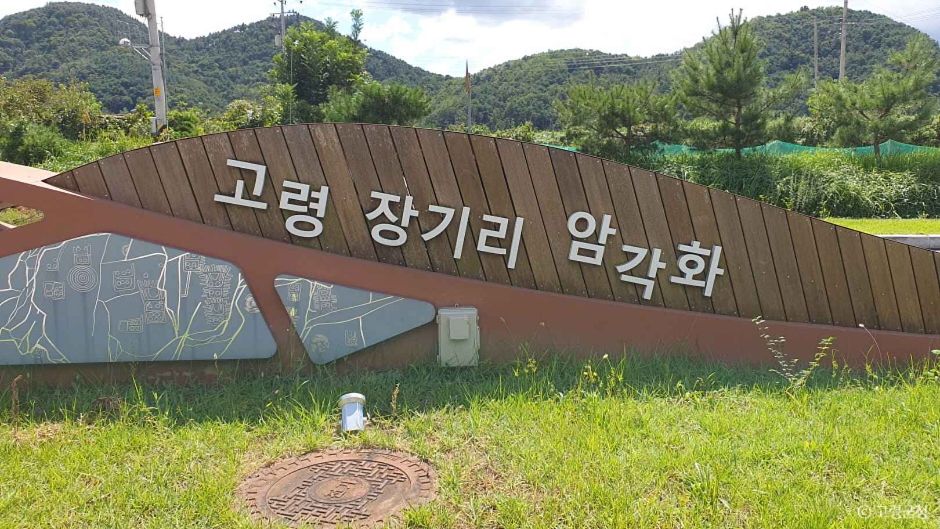
Goryeong Janggiri Rock Carvings (Yangjeondong Petroglyphs)
15-5 Araealter-gil, Daegaya-eup, Goryeong-gun, Gyeongsangbuk-do
Open in mapAbout this place
The Yangjeondong petroglyphs are carved into a rectangular rock face 3 m high and 5.5 m wide, discovered in 1971. Petroglyphs are vivid expressions of prehistoric beliefs and daily life, typically carved in rock or sacred places to invoke magical powers for abundance and fertility. The Yangjeondong carvings feature concentric circles, cross motifs, and mask shapes. The four triple concentric circles symbolize the sun and moon; the cross shapes are thought to mark the territorial boundaries of tribal society; and the 17 mask shapes resemble human faces. The site is believed to have been used for agricultural rites and sacrificial ceremonies, and the various patterns carved here are considered precious material for research into Korea's prehistoric culture. The presence of the petroglyphs in Goryeong's 'Alter' region also allows researchers to trace the origin of the egg-birth myths recorded in the Samguk Yusa, and has given rise to the hypothesis that the center of the six Gaya states was Goryeong rather than Gimhae.